Does Anua Cleansing Oil Cause Breakouts? What Users Are Reporting
Some users report breakouts after using Anua cleansing oil, while others use it without problems. Community reports establish that experiences vary; they do not prove the product universally causes acne.
What changes the next step.
- 01The exact product and how it’s formulated
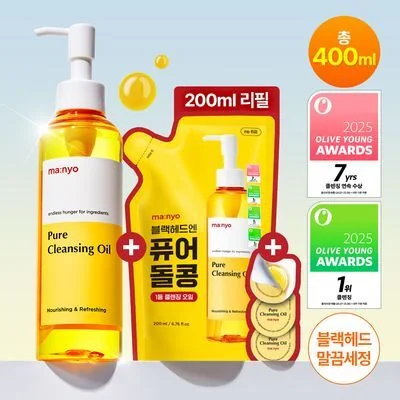
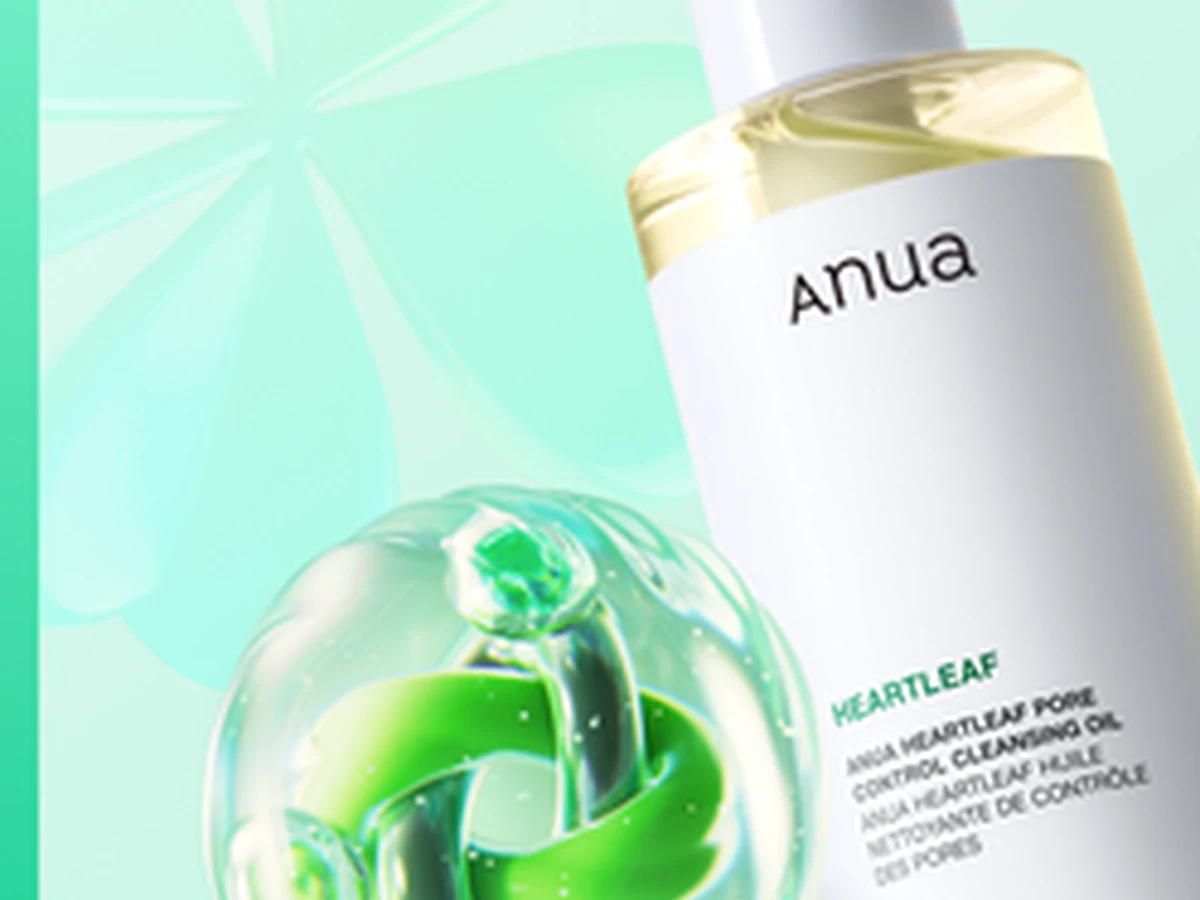
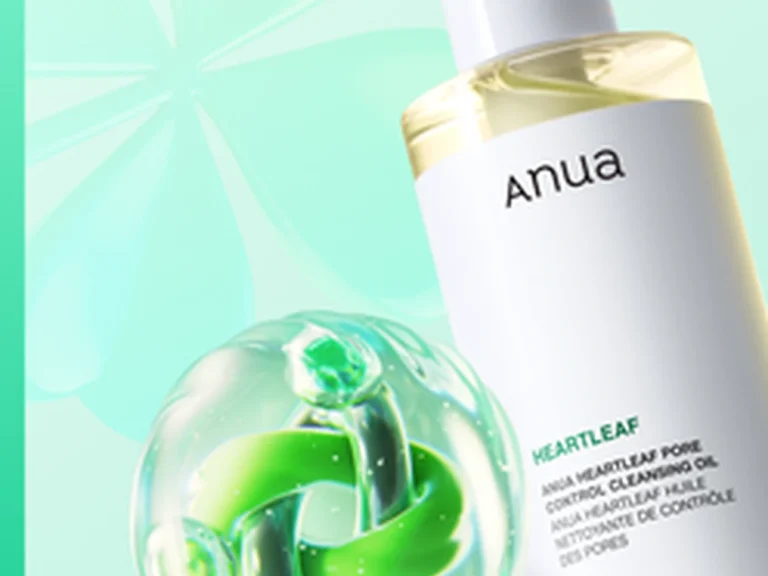
The product in question is Anua Heartleaf Pore Control Cleansing Oil (not Anua’s separate Heartleaf 77 toner line, which shares the “Heartleaf” name
- 02How cleansing oils work, and where residue comes from
Oil cleansers dissolve sunscreen, makeup, and sebum (which are themselves oil-soluble) more effectively than a water-based cleanser alone.
- 03Purging, irritation, or something else – they’re not the same
“Purging” is a colloquial term, not a clinical diagnosis – it’s generally used for skin’s response to actives that speed up cell turnover, such as retinoids, AHAs,
The exact product and how it’s formulated
The product in question is Anua Heartleaf Pore Control Cleansing Oil (not Anua’s separate Heartleaf 77 toner line, which shares the “Heartleaf” name
but is a different product entirely).
Its disclosed ingredients include Ethylhexyl Palmitate and several plant oils (sunflower, macadamia, olive) as the cleansing base, Sorbeth-30 Tetraoleate and Sorbitan Sesquioleate as emulsifiers, and Fragrance.
The emulsifiers are what let the oil turn milky and rinse cleanly with water – without full emulsification, oil residue can stay on the skin after rinsing.
How cleansing oils work, and where residue comes from
Oil cleansers dissolve sunscreen, makeup, and sebum (which are themselves oil-soluble) more effectively than a water-based cleanser alone.
The emulsifiers in the formula are designed to bind with water during rinsing and carry the dissolved oil and debris away.
If the product isn’t massaged long enough to fully emulsify, or isn’t rinsed thoroughly, some residue – including fragrance and oil components – can stay on the skin,
which is a plausible, concrete explanation distinct from “the ingredients themselves cause acne.”
Purging, irritation, or something else – they’re not the same
“Purging” is a colloquial term, not a clinical diagnosis – it’s generally used for skin’s response to actives that speed up cell turnover, such as retinoids, AHAs,
BHAs, and vitamin C, which can temporarily bring existing congestion to the surface faster than usual.
That’s a distinct idea from the general adjustment period dermatologists describe when someone starts a retinoid specifically as an acne treatment, and neither has a single,
precisely established duration in the dermatology literature – this guide won’t assign one. What is verifiable is simpler:
this cleansing oil’s disclosed formula doesn’t contain a turnover-accelerating active, so “it’s just purging” is not a well-supported default explanation here.
A new breakout after switching cleansers is more likely to be irritation (from fragrance or a new emulsifier your skin hasn’t seen before), residue from incomplete rinsing,
an unrelated product change happening at the same time, or the ordinary course of acne that would have happened anyway.
How to actually test whether it’s the cause
Stop using it if the pattern is concerning, let skin settle for one to two weeks,
and avoid changing multiple products at once so any reaction can be traced. If you want to retry, use a smaller amount,
massage for a full 60 seconds to ensure emulsification, rinse thoroughly, and change nothing else in the routine during the trial.
If breakouts reappear specifically on reintroduction, that’s a reasonably strong signal for this specific product – not proof about oil cleansers or the brand in general.
When discontinuing makes sense, and alternatives
If breakouts are new, concentrated where the product is applied, and resolve after stopping, discontinuing is reasonable regardless of the exact mechanism.
A fragrance-free oil or balm cleanser removes the fragrance variable while keeping the oil-cleansing step; a low-fragrance, simpler-ingredient option is a reasonable next test.
Persistent, painful, or worsening acne is a reason to see a dermatologist rather than keep cycling cleansers.
Frequently asked questions
Does Anua oil purge skin?
A cleanser should not automatically be assumed to cause beneficial purging.
Is heartleaf acne treatment?
No; cosmetic soothing claims are not acne treatment.
What if breakouts continue?
Discontinue the suspected product and seek professional help for persistent or severe acne.
Sources & methodology
Our analysis of Does Anua Cleansing Oil Cause Breakouts? What Users Are Reporting separates marketplace signals from interpretation,
preserves every enabled platform’s own method instead of inventing a universal score, uses community discussion only for recurring questions or reported experiences,
and applies conservative ingredient and safety explanations checked against product directions and established dermatology principles.
The changing positions, product cards, images, and shopping links supporting Does Anua Cleansing Oil Cause Breakouts?
What Users Are Reporting come from the latest verified KBeautyVibe records; see our methodology, data sources, and editorial team.
See What’s Ranking Now
Continue with current, source-labelled K-beauty rankings.
Explore live K-beauty rankings →Continue the topic
Sources & Methodology
This Guide uses the explicit article record for intent, exact product identity, ranking eligibility and related links. Product images come from the tracked exact product record; an uncertain match is omitted. Named marketplace positions are source-specific listing visibility, not sales, market share, total popularity or a combined score. KBeautyVibe compared published product information and source records; this page does not claim personal testing. Read our methodology.