How to Choose a Korean Lip Tint
Glossy, watery, blur or velvet - a short guide to the real differences between Korean lip tint finishes, staining strength and wear, so you can match one to your lips.
Use the answer in this order.
- 01Finish families at a glance
Finish family Look & feel Wear & longevity Best for Representative example Watery / glaze Sheer, dewy, wet-look shine; lightest on the lips Fades fastest; needs reapplication Dry…
- 02Real product examples — and one important distinction
rom&nd The Juicy Lasting Tint is a glossy tint; the brand describes a lightweight, non-sticky, double-glazed finish, sitting between watery and velvet with more color payoff than a…
- 03Staining strength versus comfort
A stronger stain can survive drinks and the loss of the surface layer, but it is less forgiving when applied unevenly.
Finish families at a glance
| Finish family | Look & feel | Wear & longevity | Best for | Representative example |
|---|---|---|---|---|
| Watery / glaze | Sheer, dewy, wet-look shine; lightest on the lips | Fades fastest; needs reapplication | Dry or chapped lips; a natural, low-effort look | rom&nd Glasting Water Tint |
| Juicy / gel gloss | Glossy with more color payoff than a watery tint | Medium wear; gloss fades before the stain | Beginners who want shine plus a bit of stain | rom&nd The Juicy Lasting Tint |
| Blur / soft-matte | Muted shine, soft-focus powdery finish | Longer than glossy; comfortable middle ground | Oily lips or humid weather; a your-lips-but-better matte | Peripera Ink Matte Blur Tint |
| Velvet / matte | Solid, opaque color with the least shine | Longest-wearing; can feel drier | All-day color; oily lips; humid climates | Peripera Ink the Velvet |
| Water tint (strong stain) | Very sheer and wet, but stains firmly underneath | Stain survives meals; hard to layer/reapply evenly | Long events where you can’t touch up often | TONYMOLY Get It Tint Waterful Syrup |
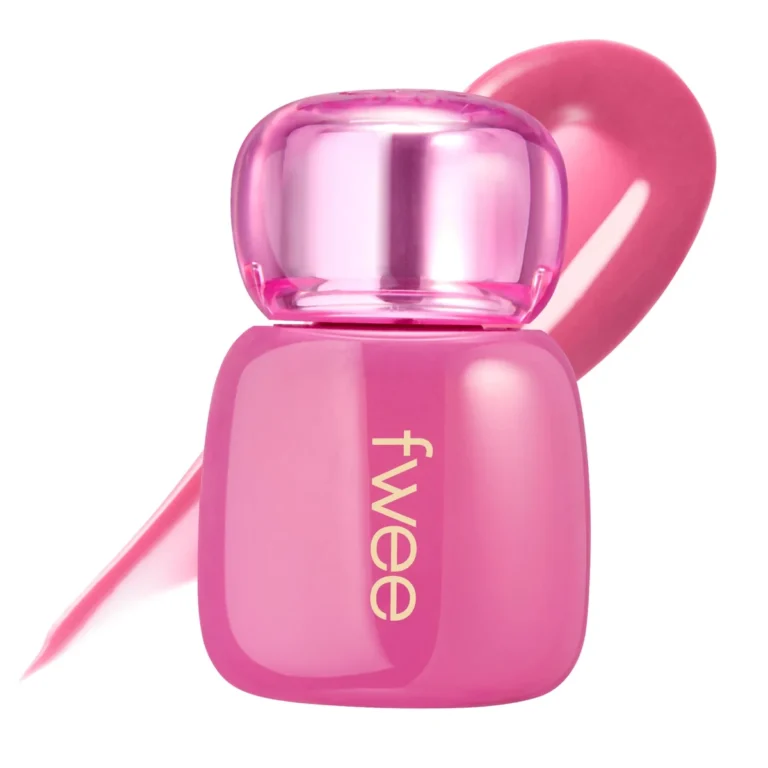
| Tinted balm | Sheer, emollient color | Least staining and easiest to reapply | Very dry lips or low-maintenance touch-ups | fwee Glowy Smoothie Tinted Lip Balm |
Examples are representative of each finish, not a fixed ranking. For what’s performing best right now, see the live lip tint ranking.
Real product examples — and one important distinction
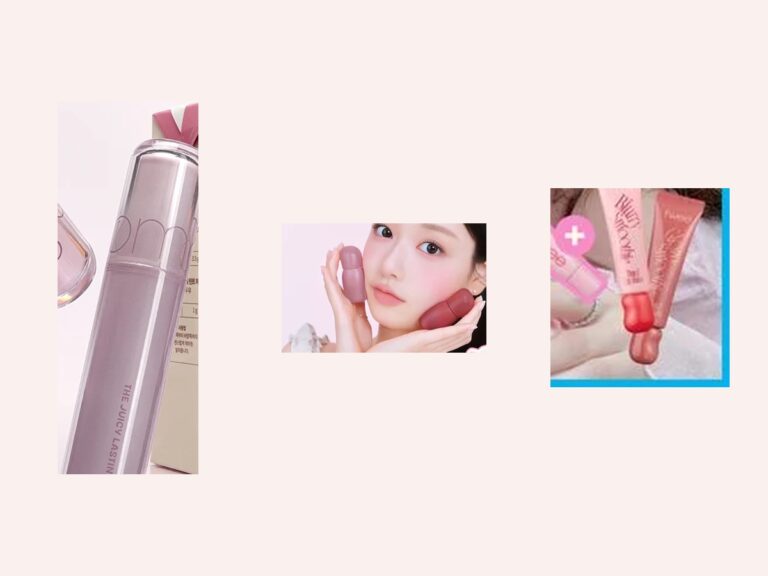
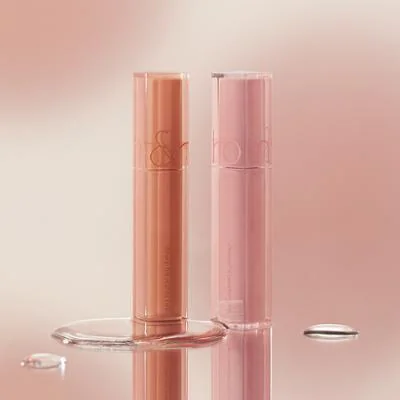
- rom&nd The Juicy Lasting Tint is a glossy tint; the brand describes a lightweight, non-sticky, double-glazed finish, sitting between watery and velvet with more color payoff than a pure water stain.
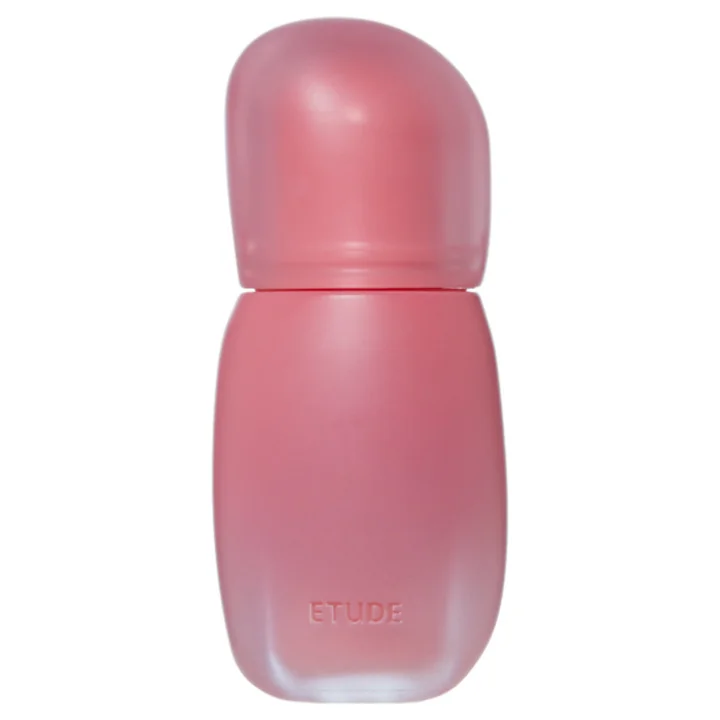
- Etude Fixing Tint represents the lightweight matte/transfer-resistant side of the category, closer to the blur/velvet family than a glossy finish.
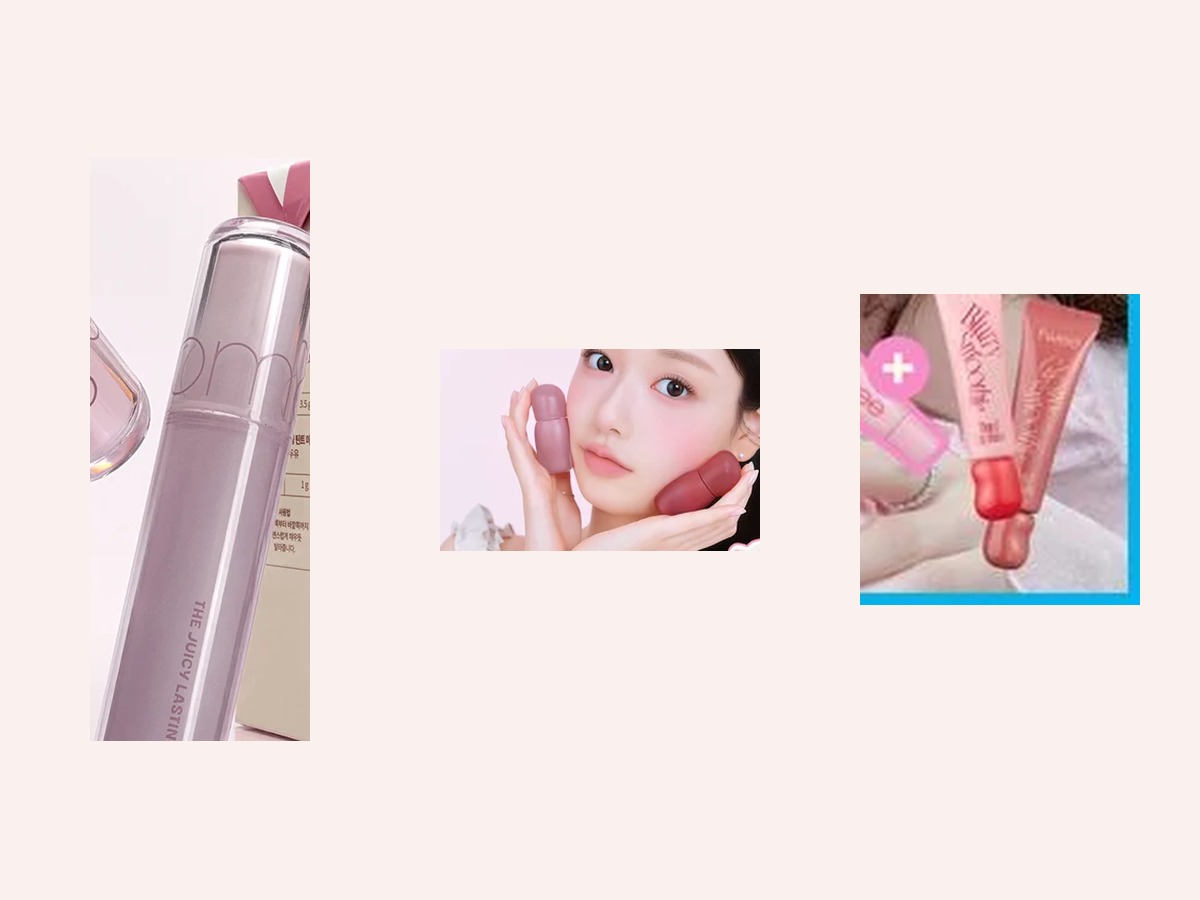
- fwee Glowy Smoothie Tinted Lip Balm is a tinted balm, not a liquid tint — it prioritizes moisture and easy reapplication over long-wear staining, and is the pick from this trio for dry or flaky lips.
- TONYMOLY Get It Tint Waterful Syrup is positioned as a moisture-oil, syrup-gloss tint, an example of the watery/glossy family at its lightest.
These examples explain finish families. They are not a claim that one formula is the universal winner — the right pick depends on the finish and wear pattern you actually want, not the brand.
Staining strength versus comfort
A stronger stain can survive drinks and the loss of the surface layer, but it is less forgiving when applied unevenly.
More emollient glossy and balm formulas — like fwee’s tinted balm — are easier to reapply and usually feel more comfortable, but the shine transfers and needs touch-ups sooner.
Match the formula to your lips
- Dry or flaky lips: begin with a glossy tint or tinted balm; gently remove loose flakes and moisturize before color. A tinted balm format is the most forgiving starting point.
- Pronounced lip lines: thin glossy layers often look smoother than a thick velvet coat.
- Humid weather or frequent mask wear: a blur or fixing-style tint may transfer less after setting, but no formula is completely friction-proof.
- Uneven natural lip color: choose enough opacity to even the base instead of relying on a very sheer stain.
How to choose a shade online
Use swatches from more than one lighting condition and look for photos on a lip depth similar to yours.
Product names such as “cool,” “warm,” “muted,” or “deep” are useful starting points, not standardized color measurements.
A sheer shade can also look warmer or darker over naturally pigmented lips.
Full-lip versus Korean gradient application
For a gradient lip, place a small amount of color toward the inner lips and blend outward before it sets, keeping the outer edge softer.
For full-lip color, apply thinly across the entire lip and correct the edge before adding another layer. “Gradient lip” is an application technique — not a separate product category.
A simple wear test
- Photograph the fresh finish in neutral light.
- Check transfer after the formula has set according to its directions.
- Recheck after water and a normal meal.
- Judge both the remaining stain and how evenly it faded.
Frequently asked questions
Do Korean lip tints dry out lips?
Some high-stain and matte formulas can. A tinted balm format, like fwee’s, is built to avoid this specific tradeoff. Finish and formula matter more than country of origin.
How long does a tint last?
There is no single answer. The gloss layer, pigment layer, and stain can disappear at different times, and food, lip condition, and application thickness all change wear.
Is a lip tint the same as a lip stain?
The terms overlap, but “Korean lip tint” covers a wider set of textures — from water stains to glossy, blur, velvet, and balm-like products — than “lip stain” usually implies.
What’s the difference between a tint and a tinted balm?
A tint is generally more staining and less emollient; a tinted balm, like fwee’s, trades some staying power for comfort and easier reapplication.
Neither is objectively better — it’s a tradeoff based on your lips and priorities.
What is the best Korean lip tint?
There’s no single best – it depends on the finish you want.
For long, matte, all-day color most people reach for a velvet tint; for a comfortable, dewy everyday look, a watery or juicy tint is easier to wear.
Rather than freeze a “winner” into this guide, we track what’s currently ranking highest across our sources in the live lip tint ranking.
rom&nd vs. Peripera – which lip tint is better?
They lead in different finishes rather than one being strictly better. rom&nd is best known for glossy and juicy water-based tints (Glasting Water Tint,
The Juicy Lasting Tint), while Peripera is known for long-wearing velvet and blur finishes (Ink the Velvet, Ink Matte Blur Tint).
Pick by the finish that suits your lips – glossy for comfort and dry lips, velvet or blur for longer matte wear.
Which Korean lip tint is best for dry lips?
Glossy, watery and balm-style tints are the more comfortable choice for dry or chapped lips,
because heavy matte and velvet formulas tend to cling to dry patches and emphasize texture. Applying a lip balm underneath a matte tint also helps.
Are Korean lip tints long-lasting?
The strong-stain and velvet/matte formulas can hold color for several hours, even through eating and drinking,
while glossy and watery tints fade with the gloss layer and need touch-ups sooner. Longevity is mostly a function of the finish, not the brand name.
Official example
Korean Review Consensus
Shade-level signals stay separate; counts are not combined into a synthetic score.
rom&nd The Juicy Lasting Tint
Shade 02 Nucadamia
Most loved
- Recommended for Autumn Warm profiles149 (45.4%)
- Color satisfaction149 (45.4%)
- Recommended for warm tones133 (40.5%)
Most criticized
- Poor longevity52 (15.9%)
- Allergic reaction reported33 (10.1%)
- Not moisturizing15 (4.6%)
KBeautyVibe interpretation: Shade 02's color and warm-profile fit are the clearest positives. Wear time is the most repeated performance complaint, while reaction-related themes matter as cautions but do not prove the product caused the same response for every user. These are shade-level patterns, not conclusions about all 38 colors.
rom&nd Dewyful Water Tint
Shade 11 Lilac Cream
Most loved
- Color satisfaction68 (40.7%)
- Moisturizing29 (17.4%)
- Pink-toned color26 (15.6%)
Most criticized
- Poor longevity40 (24.0%)
- Poor adhesion4 (2.4%)
- Transfers4 (2.4%)
KBeautyVibe interpretation: Color and moisture lead the positive themes for shade 11, while poor longevity is the clear recurring drawback. With 167 shade-level reviews, this is useful directional evidence but not a claim that every shade in the line performs identically.
The evidence-led takeaway
KBeautyVibe take: Choose the finish first, then verify the exact shade. These two Hwahae snapshots support the guide's comfort-versus-wear trade-off, but they do not establish a verdict for every shade or for the Etude and fwee examples.
Evidence method and limitations
Official Hwahae Korea product pages were checked through their publicly indexed page content on August 23, 2026 because the interactive pages returned a client challenge. Theme counts are Hwahae's AI-analyzed review signals for each exact shade; displayed percentages are KBeautyVibe calculations against that shade's visible review total. Olive Young Korea review cards and customer photos are omitted because 유용한 순 (Olive Young Useful order, distinct from 도움순) and review-to-profile-to-photo binding could not be verified in this environment. Personal-color and skin-profile fields are used only when explicitly disclosed by the reviewer.
See What’s Ranking Now
Continue with current, source-labelled K-beauty rankings.
See current lip-tint rankings →Continue the topic
Sources & Methodology
This Guide uses the explicit article record for intent, exact product identity, ranking eligibility and related links. Product images come from the tracked exact product record; an uncertain match is omitted. Named marketplace positions are source-specific listing visibility, not sales, market share, total popularity or a combined score. KBeautyVibe compared published product information and source records; this page does not claim personal testing. Read our methodology.